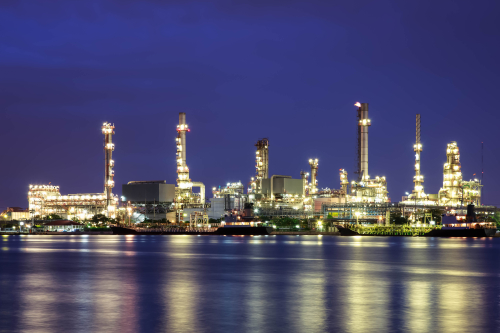
The United States‘ oil and gas industry plays a critical role in the country’s economy and global energy market. Yet, many remain unaware of how this intricate system operates. Here, we will delve into the intricacies of the U.S. oil and gas industry, from exploration to production, and finally, to distribution and taxation.
This industry, worth trillions of dollars, is built on a complex network of processes involving drilling, refining, and transportation of crude oil and natural gas, which are then converted into a variety of end products. The industry’s evolution has been marked by technological advancements, shifting political landscapes, and market fluctuations, all of which have shaped its current form.
The U.S. oil and gas industry has undergone significant transformations in recent decades. The discovery of shale oil and gas reserves has led to a surge in domestic production, making the U.S. a significant player in the global energy market. However, this shift has also raised questions about the environmental impact of these operations, particularly with regards to water use and greenhouse gas emissions.
Furthermore, the industry’s profitability is heavily influenced by government policies, including tax breaks and incentives. These tax breaks, often criticized for favoring large corporations over smaller businesses, have been a subject of debate and reform proposals. Understanding these policies is crucial to comprehending the industry’s current state and its future trajectory.
In this exploration, we will examine the dynamics of the U.S. oil and gas industry, delving into its history, current practices, and implications for the environment and the economy. By the end, you will have a clearer grasp of the complexities and challenges that define this vital sector.
Exploring for Oil and Gas
The U.S. oil and gas industry is a complex network of activities involving the exploration, production, and distribution of fossil fuels. Understanding this industry is crucial for comprehending the global energy landscape and its impact on the economy and environment. This blog aims to provide a comprehensive overview of how the U.S. oil and gas industry operates, from the initial stages of exploration to the final stages of distribution.
The journey to discover new oil and gas reserves begins with exploration. Companies use various methods to locate potential deposits, including seismic surveys, drilling, and analysis of geological data. Seismic surveys involve sending sound waves into the earth’s surface to detect any changes in the subsurface rocks. This data helps geologists identify potential areas for drilling. Drilling involves boring into the earth to collect samples and determine the presence of oil and gas. Companies also analyze geological data, including subsurface maps and rock formations, to predict the likelihood of finding oil and gas.
Government Involvement in Exploration
The U.S. government plays a crucial role in exploration through the U.S. Geological Survey (USGS). The USGS provides detailed maps and data on potential oil and gas reserves, which helps companies make informed decisions about where to drill. Additionally, the government offers tax incentives to companies that explore in specific areas, such as the Outer Continental Shelf (OCS) and Alaska. These incentives aim to encourage exploration in areas that might have high potential but are currently untapped.
Production and Extraction
Once a potential reserve is identified, companies need to extract the oil and gas from the ground. This process involves drilling wells, installing equipment, and managing the extraction process. The type of equipment used depends on the type of deposit, with different techniques employed for shale gas and conventional oil.
Extraction Methods
For shale gas, hydraulic fracturing is commonly used. Fracking involves drilling into the shale rock and injecting a mixture of water, sand, and chemicals at high pressure to break up the rock and release the gas. This method has been highly controversial due to concerns about its environmental impact.
Conventional oil drilling involves drilling a well vertically and then horizontally into the oil-bearing formation. The oil is then pumped to the surface using a combination of natural and artificial pressure.
Environmental and Regulatory Concerns
The environmental impact of oil and gas production has been a major area of concern. The process of fracking, in particular, has been linked to water and air pollution, as well as seismic activity. Regulatory bodies, such as the Environmental Protection Agency (EPA), have implemented regulations to mitigate these risks. Companies are also required to monitor and report on their environmental impact to ensure compliance with these regulations.
Transportation and Storage
Once extracted, oil and gas need to be transported to refineries and distribution centers. This process involves a network of pipelines, trucks, and ships. Pipelines are the most efficient and cost-effective way to transport oil and gas, often spanning thousands of miles. Trucks are used to transport oil and gas in areas where pipelines are not available or for shorter distances, while ships are used for long-distance ocean transport.
Storage and Distribution
Refineries process the oil into usable products like gasoline, diesel, and jet fuel. These products are then stored in tanks and distributed through pipelines and trucks to various locations. Gas is typically stored in underground storage facilities or above-ground tanks, and is distributed directly to consumers through pipelines.
Tax Incentives and Investment
The U.S. oil and gas industry benefits from various tax incentives, which help to encourage investment and exploration. The Intangible Drilling Cost (IDC) deduction allows companies to deduct 70% of their drilling costs from their taxable income. The Percentage Depletion Allowance (PDA) allows companies to deduct a percentage of their oil and gas production from their taxable income. These incentives have been crucial in attracting investment and sustaining the industry.
Investment Opportunities
Investing in the U.S. oil and gas industry can be lucrative, provided investors are willing to take on the risks involved. Companies offer various investment opportunities, including stock purchases, bonds, and direct investments in specific projects. These investments can yield high returns but are often tied to the performance of the industry and the price of oil.
The Future of the U.S. Oil and Gas Industry
The future of the U.S. oil and gas industry is shaped by various factors, including technological advancements, regulatory changes, and market trends. The rise of renewable energy sources and the push for cleaner energy alternatives have led to a shift in investor sentiment and government policies. Companies are investing in alternative energy sources, and the industry is evolving to adapt to these changes.
Technological Innovations
Technological innovations, such as improved drilling techniques and enhanced oil recovery methods, are helping the industry reduce its environmental impact and increase efficiency. Companies are also exploring alternative energy sources, such as solar and wind power, to diversify their portfolios and meet growing demand for cleaner energy.
The U.S. oil and gas industry is a complex and multifaceted field that plays a critical role in the global energy market. From exploration to extraction, transportation to storage, and investment to regulation, every stage is crucial in ensuring the smooth operation of the industry. Understanding how the industry works is vital for both investors and consumers, as it shapes the global energy landscape and our daily lives. As the industry continues to evolve, it is essential to stay informed about the latest technological advancements, regulatory changes, and market trends to navigate the challenges and opportunities that lie ahead.
You may also be interested in: Media
Are you looking for an investment with amazing returns and unique tax benefits to offset your W2 income or capital gains? Click Here To Schedule a Strategy Call with me. Experience the Courtney Moeller difference with a complimentary session tailored to your needs.