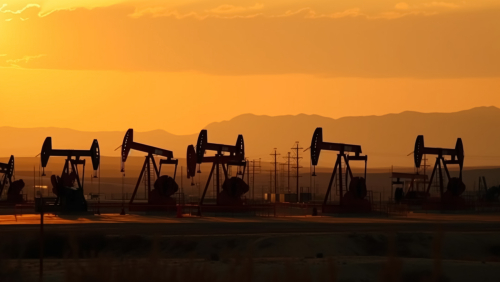
Investing in the oil industry can offer significant financial returns, but it comes with its own set of risks. One of the most complex and capital-intensive aspects of oil production is the lifecycle of an oil well. Understanding the various stages—from exploration and drilling to production and abandonment—is crucial for investors looking to make informed decisions. This blog will break down each phase of an oil well’s lifecycle, covering key financial implications, risks, and potential returns that investors should consider.
1. Exploration Phase
The exploration phase is the first stage of an oil well’s lifecycle. It involves locating potential reserves and assessing their viability. Exploration begins with geological surveys and seismic testing to identify areas that may have oil deposits. Once a prospective site is identified, geologists use 3D and 4D seismic imaging to map the subsurface and evaluate the potential size of the reserves.
Key Considerations for Investors:
- High Risk, High Reward: Exploration is one of the riskiest stages of the oil well lifecycle. Not all exploration efforts lead to successful discoveries, and many projects fail to find commercially viable oil reserves. As an investor, it’s important to assess the success rate of exploration activities and the experience of the exploration team.
- Initial Costs: Exploration can be expensive, with costs including surveys, testing, and drilling exploratory wells. These costs are incurred before any potential revenue is generated, making it essential for investors to evaluate the financial health of the companies conducting exploration.
2. Development Phase
Once oil deposits are discovered, the development phase begins. This stage involves preparing the site for full-scale production by drilling additional wells and constructing infrastructure to extract, process, and transport the oil. The development phase also includes evaluating the most efficient way to produce oil, which may involve horizontal drilling, fracking, or the use of other advanced techniques depending on the type of reservoir.
Key Considerations for Investors:
- Substantial Investment: The development phase requires significant capital investment, often in the range of millions or even billions of dollars, depending on the size of the field. This investment goes toward drilling, infrastructure, and the technology needed to access the reserves.
- Financing and Project Management: Investors must carefully evaluate the management team’s ability to execute on development plans. Strong project management is essential to ensure that the development phase progresses on time and within budget, which can affect the profitability of the venture.
- Long-Term Commitment: The development phase can take years to complete, especially for large oil fields. Investors need to consider their investment horizon and the potential for delays or cost overruns.
3. Drilling and Completion Phase
The drilling and completion phase is where the actual extraction of oil begins. During this stage, drilling rigs are set up, and wells are drilled to access the oil reserves. Depending on the type of well being drilled—vertical, directional, or horizontal—the drilling process can vary in complexity. Once the well reaches the desired depth, the well is “completed,” which involves installing equipment to control the flow of oil and gas from the reservoir.
Key Considerations for Investors:
- Operational Costs: Drilling and completing wells is costly, with significant expenditures for equipment, labor, and fuel. Investors need to assess whether the anticipated oil flow and production rates will justify these costs.
- Technological Advancements: Technological innovations, such as hydraulic fracturing (fracking) and horizontal drilling, can reduce costs and increase production rates. However, these technologies also come with their own set of risks and challenges, such as environmental concerns and regulatory hurdles.
- Time Delays: The drilling process can face unexpected delays, whether due to technical challenges, adverse weather, or supply chain issues. Investors should factor in the possibility of these delays, which can affect the return on investment.
4. Production Phase
Once a well is drilled and completed, it enters the production phase. During this stage, oil is extracted from the reservoir and brought to the surface. Production rates can vary significantly depending on the size of the field, the technology used, and the geological characteristics of the reservoir. Over time, production tends to decline as the reservoir depletes.
Key Considerations for Investors:
- Revenue Generation: This is the stage when oil production generates revenue, which is the primary source of returns for investors. The revenue is dependent on the volume of oil extracted and the price of oil, which can fluctuate due to market conditions.
- Operating Expenses: While production generates revenue, it also incurs ongoing operating expenses, including labor, maintenance, and transportation costs. Investors should evaluate the operating costs of production to determine the profitability of the well.
- Declining Production: Over time, production from an oil well naturally declines as the reservoir is depleted. Investors must be aware of the anticipated production decline rate and plan for the possibility of declining returns as the well matures.
5. Enhanced Recovery Phase
In some cases, when oil production begins to decline, enhanced oil recovery (EOR) techniques are employed to prolong the well’s life and increase output. EOR methods, such as water flooding, gas injection, or chemical injection, are used to help push more oil to the surface.
Key Considerations for Investors:
- Additional Costs: EOR techniques can be costly, requiring additional capital investment for new equipment and infrastructure. Investors should assess whether the increased production justifies the added costs of these techniques.
- Potential for Extended Life: The use of EOR can extend the life of a well, which may offer investors the opportunity for additional returns. However, EOR techniques are not always successful, and the effectiveness of these methods depends on the specific conditions of the reservoir.
6. Abandonment Phase
The final phase of the oil well lifecycle is abandonment. Once a well has been depleted or is no longer economically viable to produce from, it is shut down, and the site is decommissioned. This involves plugging the well to prevent any oil or gas from escaping and restoring the site to comply with environmental regulations.
Key Considerations for Investors:
- End of Revenue: The abandonment phase marks the end of production and, therefore, the end of any revenue generated from the well. Investors need to factor in the timeline for abandonment and potential financial losses if the well has not reached its expected production levels.
- Decommissioning Costs: Decommissioning an oil well can be costly, with expenses related to plugging the well, removing equipment, and restoring the site. These costs should be considered when evaluating the total financial performance of an oil well investment.
- Environmental and Legal Compliance: Investors should ensure that the company is in compliance with environmental regulations during the abandonment phase. Failing to adhere to regulatory requirements can result in legal fines and damage to the company’s reputation.
Navigating the Oil Well Lifecycle as an Investor
Understanding the lifecycle of an oil well is essential for investors seeking to capitalize on the potential rewards of oil and gas exploration. Each stage—exploration, development, drilling, production, enhanced recovery, and abandonment—carries its own set of financial implications, risks, and rewards. By thoroughly evaluating the costs, risks, and potential returns at each phase, investors can make informed decisions that maximize their chances of success in the oil and gas industry.
While oil investments offer substantial potential for profit, they also come with inherent risks due to market fluctuations, technological challenges, and environmental considerations. For investors, the key is to stay informed, conduct thorough due diligence, and carefully assess the financial and operational health of companies involved in the oil well lifecycle. By doing so, investors can unlock the potential for strong returns while mitigating the inherent risks of the industry.
Disclaimer: This content is for informational purposes only and should not be considered financial, tax, or legal advice. Please consult a financial advisor, tax professional, or legal expert before making any investment or tax-related decisions.
You may also be interested in: Media
Are you looking for an investment with amazing returns and unique tax benefits to offset your W2 income or capital gains? Click Here To Schedule a Strategy Call with me. Experience the Courtney Moeller difference with a complimentary session tailored to your needs.