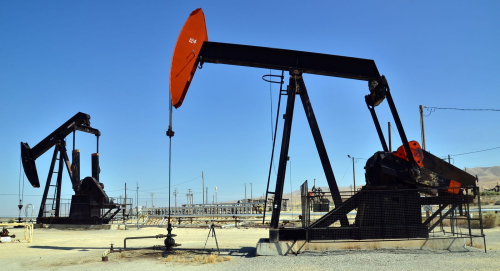
The year 2024 marks a pivotal moment for the global energy market, and among the most significant developments are the performance of oil ETFs. These financial instruments, which provide diversified exposure to oil prices and production, have become increasingly popular among investors. As the world grapples with the complexities of energy transformation and climate change, oil ETFs have emerged as a critical tool for navigating the volatility and uncertainty of the market.
In this article, we will examine four oil ETFs of 2024, highlighting their unique characteristics, investment strategies, and market trends. From the United States to Europe, these ETFs have been at the forefront of the oil market, offering investors a diverse range of opportunities for growth and diversification. By delving into the performance and strategies of these ETFs, we aim to provide a comprehensive understanding of their role in shaping the global energy landscape and the implications for investors.
A Comprehensive Review
Oil prices have been a significant factor in the global economy for decades, and their fluctuation can impact various industries and markets. With the current market conditions in 2024, investors are looking for ways to navigate this volatile landscape. One potential solution is through oil ETFs, which allow investors to gain exposure to the oil market without directly holding physical oil. In this article, we will explore the top, discussing their performance, strategies, and key features.
Understanding Oil ETFs
Before diving into the top oil ETFs, it is crucial to understand what these investment vehicles are and how they operate. Oil ETFs are exchange-traded funds that track the performance of oil indices or individual oil companies. They provide investors with access to the oil market, allowing them to buy and sell shares on a stock exchange. This allows for greater liquidity and flexibility compared to traditional oil investments.
United States Oil Fund LP (USO)
- Performance: USO has been one of the top-performing oil ETFs in recent months, with a total return of 12.3% as of July 2024.
- Strategy: USO tracks the West Texas Intermediate (WTI) crude oil futures contract, providing exposure to oil prices.
- Key Features: USO is a physically-backed ETF, meaning it holds physical oil futures contracts to track the performance of WTI crude oil.
Vanguard Energy ETF (VDE)
- Performance: VDE has a total return of 10.5% as of July 2024.
- Strategy: VDE tracks an index of energy stocks, providing exposure to the broader energy sector.
- Key Features: VDE is an actively managed ETF that invests in a diversified portfolio of energy stocks, offering a broader exposure to the sector.
iShares U.S. Energy ETF (IYE)
- Performance: IYE has a total return of 11.2% as of July 2024.
- Strategy: IYE tracks an index of U.S. energy stocks, focusing on companies involved in exploration, production, and distribution of oil and natural gas.
- Key Features: IYE is a passively managed ETF that offers a low-cost way to gain exposure to the U.S. energy sector.
Invesco Dynamic Energy Exploration & Production ETF (PXE)
- Performance: PXE has a total return of 12.9% as of July 2024.
- Strategy: PXE tracks an index of energy stocks focused on exploration and production, providing exposure to companies involved in the discovery and extraction of oil and natural gas.
- Key Features: PXE is an actively managed ETF that uses a rules-based methodology to select its holdings, offering a focused approach to the energy sector.
Comparison and Analysis
Each of these ETFs has its unique characteristics and strategies. USO provides direct exposure to oil prices through its physical backing, while VDE and IYE offer broader exposure to the energy sector through stock portfolios. PXE focuses on a specific subset of the energy sector, exploration and production. The performance of these ETFs has varied, but all have shown strong returns in recent months.
Investment Considerations
Investing in oil ETFs carries certain risks and considerations. Oil prices are inherently volatile, and this can impact the performance of these ETFs. Additionally, these ETFs may be subject to market and industry risks, such as changes in government policies or technological advancements. Investors should carefully assess their risk tolerance and financial goals before investing in oil ETFs.
The Future of Oil ETFs
The oil ETF landscape is dynamic, and the performance of these funds can change rapidly based on market conditions. Investors should stay informed about the latest developments in the oil market and consider the key features and strategies of these ETFs when making investment decisions. As the global economy continues to evolve, oil ETFs will remain a valuable tool for investors seeking to navigate the complexities of the oil market.
By examining the top, investors can gain a better understanding of the opportunities and risks involved in this sector. As the global economy continues to evolve, oil ETFs will remain a key component in many investment portfolios.
You may also be interested in: Offerings
Are you looking for an investment with amazing returns and unique tax benefits to offset your W2 income or capital gains? Click Here To Schedule a Strategy Call with me. Experience the Courtney Moeller difference with a complimentary session tailored to your needs.